
Section
Errands
An errand is a trip made for one thing. Not a day out, not a tour of a region, not a list of stops arranged to justify the gas: one reading room, one covered bridge, one clock face at noon. You leave, you do the thing, you come home, and the whole affair fits inside a morning. The pleasure of it is the narrowness. When a trip has exactly one purpose, everything else that happens on the way is a gift rather than a distraction. This section collects those small, deliberate outings and reports whether the thing at the end was worth the drive.
The form has rules, and the rules are what keep it honest. An errand is a single destination, reached and returned from within a day, undertaken for one stated reason. Errands are allowed to fail, and about a fifth of them do. A door is locked, a room is booked for a meeting, a tower is under scaffolding, a stand has sold out. Those trips are published as readily as the successful ones, because a section that only prints wins is not reporting. When an errand fails, the entry says what would have made it work: a different hour, a different month, or a telephone call the day before. A locked door at ten in the morning tells you exactly how a small town arranges its week.
Every entry follows the trip in order, which is the natural shape of an errand. It begins with the reason for going and the hour of departure. Then it walks through the getting there: the road, the turns that matter, where parking actually exists, and how long the trip took door to door. Then the thing itself gets the attention it deserves, whether that is two hours in a reading room or forty-one seconds under a clock. The card near the top lists the place, the errand, the time needed, and how I got there. Whatever happened on the way stays in the entry as well, since the detour is often the part worth keeping.
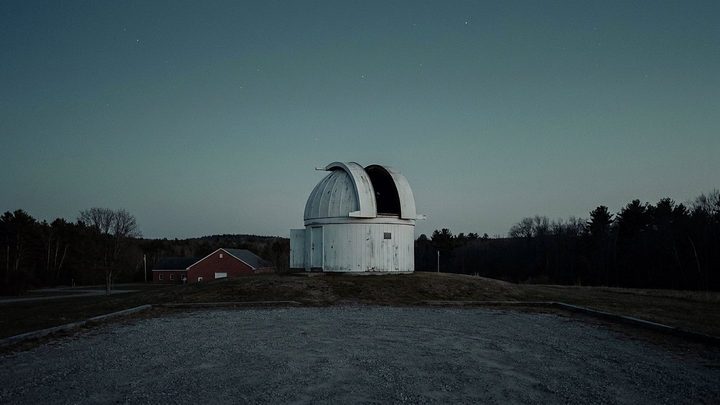
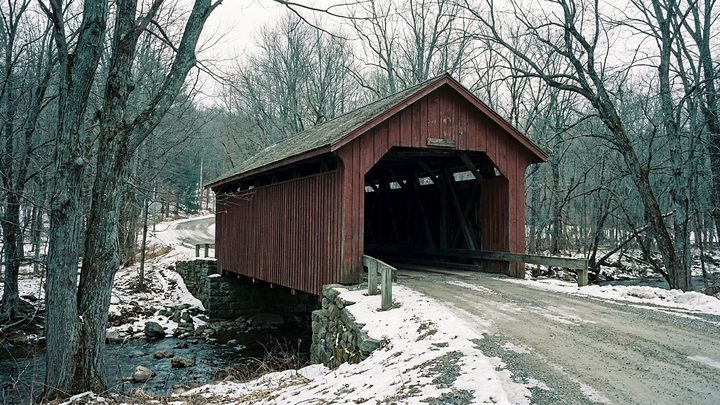
Time is the measurement that matters most in this section, so I keep it precise. I record departure and return, the length of the drive or the ride, and how long the actual thing took. Small numbers turn out to be useful. A covered bridge is a fifteen-minute stop that people plan an afternoon around, while a small observatory will quietly absorb three hours. Posted hours get written down exactly as they appear on the door, because doors and web pages disagree often. Where a bus or a commuter train is involved, I note the departure I took, then send you to the operator to confirm the current schedule. Distances are given in minutes rather than miles, since a mile of dirt road and a mile of highway are unrelated quantities.
Errands suit certain readers and certain days, and I try to be clear about which. If you have a free morning and no interest in constructing an itinerary, the section works as intended. If you are traveling with people who need a plan, an errand is a poor unit. Each entry closes with a section called Worth the errand, which gives the plain answer. It also names the obstacles: stairs without an alternative, gravel parking, a narrow hour, a place that expects quiet and enforces it.
Nothing in this section is for sale, sponsored, or arranged in advance with anyone. Nobody at any of these places knows I am coming, and none of them see the text before it appears. Sources are listed in plain words at the end of each entry, usually a town page, a library notice, or a park system. The Disclaimer explains why you should still check the hours yourself. An errand appears about once a month, alternating with the longer pieces in Rounds, which cover one place across many visits. If an errand of yours ended in a locked door and a good story, the contact page reaches the desk, and the frequently asked questions cover how both sections get made.
Entries filed under Errands
-
-
No. 02
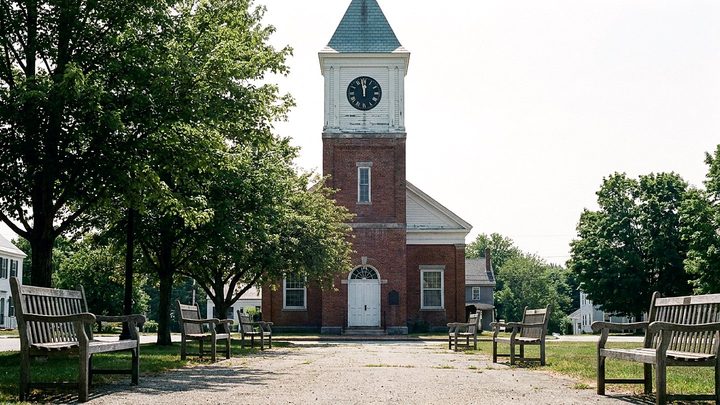
A Trip Made Only for Noon
-
-
-
-
-

No. 07
One Table by the Window