
Section
Rounds
A round is one place, visited enough times that the place stops performing for you. The first visit is always a little false, because the deciding gets in the way of looking. By the fourth or fifth visit the mill yard is just a mill yard again. The light does what it does in February, and you finally notice the small door that was always there. This section collects places in New Hampshire, and the states within a day of it, that have earned that repetition.
The rule for this section is simple and slightly stubborn. A place qualifies as a round after three visits, in at least two seasons, made for no reason beyond going back. Trips with an errand attached belong in the other section, since a purpose changes what you see. A round has no purpose to protect, so it can afford to be aimless, and aimlessness turns out to be a decent method. What I record is ordinary: the hour I arrived, how long the walk took, how many people were there, and what had moved since last time. Set side by side across a year, those dull numbers start telling a story no single visit would offer.
New England makes this easy by refusing to sit still. The same lane is mud in March, dust in July, and wet leaves in October, and each version hides something the others show. Water rises and falls against the same granite step, so the step reads as a landing in spring and a wall in August. Trees that block a view in June open a whole valley in November, when almost nobody comes. Buildings change more slowly: a window is replaced with a slightly wrong one, and a sign fades to the color of the siding. Written down four times, none of it is dramatic, and all of it becomes a record of a place breathing.
The second thing that changes is the observer, which is harder to admit. I keep old notes and reread them before a return visit, and the earlier version of myself is frequently wrong. I once gave half a page to a mill window and a single line to the river. On another return I could not find a footpath I had confidently placed on the wrong side of the road. Those errors stay in the notebook, corrected in the text rather than deleted. A round measures how much a person can miss while looking straight at something.
Each entry follows the same shape. A card near the top lists the place, the visits so far, which season suits the place, and how I got there. Then three to five sections walk through the visits in order, carrying whatever the day actually held. Every entry closes with a section called Going back, which is the honest part. It names the people the place will not suit: anyone who needs level ground, a paved approach, or reliable afternoon hours.
This section ranks nothing and pushes nobody out the door. There are no ratings, no lists of ten places you must see, and no claim that a place I like will do anything for you. Where hours, gates, or seasonal closures are involved, I say what I saw and point you to the town or park, and the Disclaimer explains why that matters. A new round appears about once a month, and a place already covered can return when something substantial changes. If you have a place that has earned three of your own visits, the contact page reaches the desk. The other half of this notebook is Errands, one short trip with one narrow purpose, and the frequently asked questions describe how both sections are put together.
Entries filed under Rounds
-
-
-
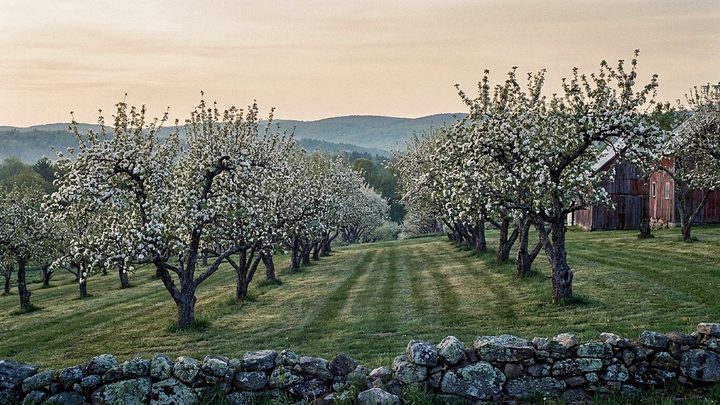
No. 03
Four Places on One Hill
-
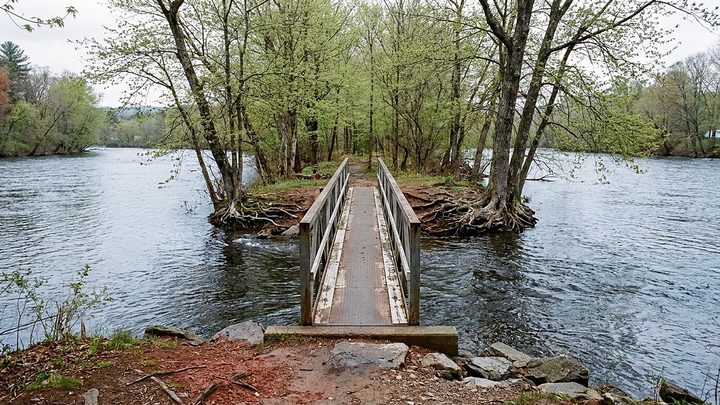
No. 04
The Island That Changes Size
-
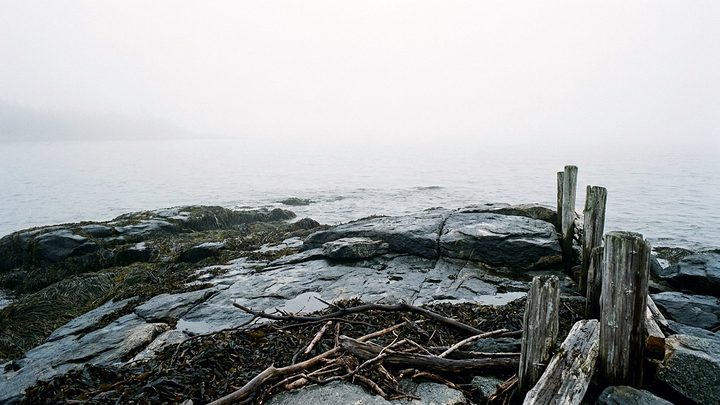
No. 05
The Seacoast in Fog
-
-
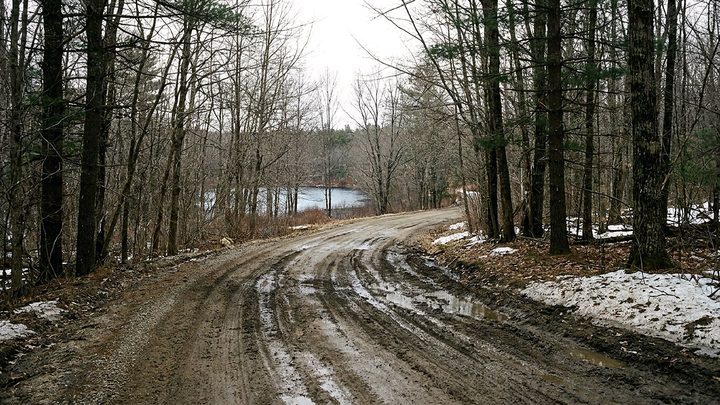
No. 07
The Lake Road in Mud Season
-

No. 08
The Millyard in Four Seasons